Why Music Therapy?
Our responsiveness to music is part of being human. It can energise us, calm us, connect us to memories and bring people together. We use music every day, often without even thinking about it, to change how we feel, help us focus, motivate us to move or simply make life more enjoyable. But music can do much more than this. There is a strong body of scientific evidence showing that music has a measurable effect on the brain and body, which is why it can be such a powerful therapeutic tool.
Why does music have such a powerful effect?
Music is remarkable in the way it engages multiple areas and networks of the brain at the same time. Think of the brain like a complex circuit board, with different networks working together to carry out different functions. Sometimes these networks develop differently, or are affected by illness or injury. Music can engage networks involved in movement, communication, attention, memory and emotion. The brain also has an extraordinary ability to adapt and reorganise, a process known as neuroplasticity. This means that music can be used purposefully in therapy to improve areas such as movement, communication and cognitive skills.
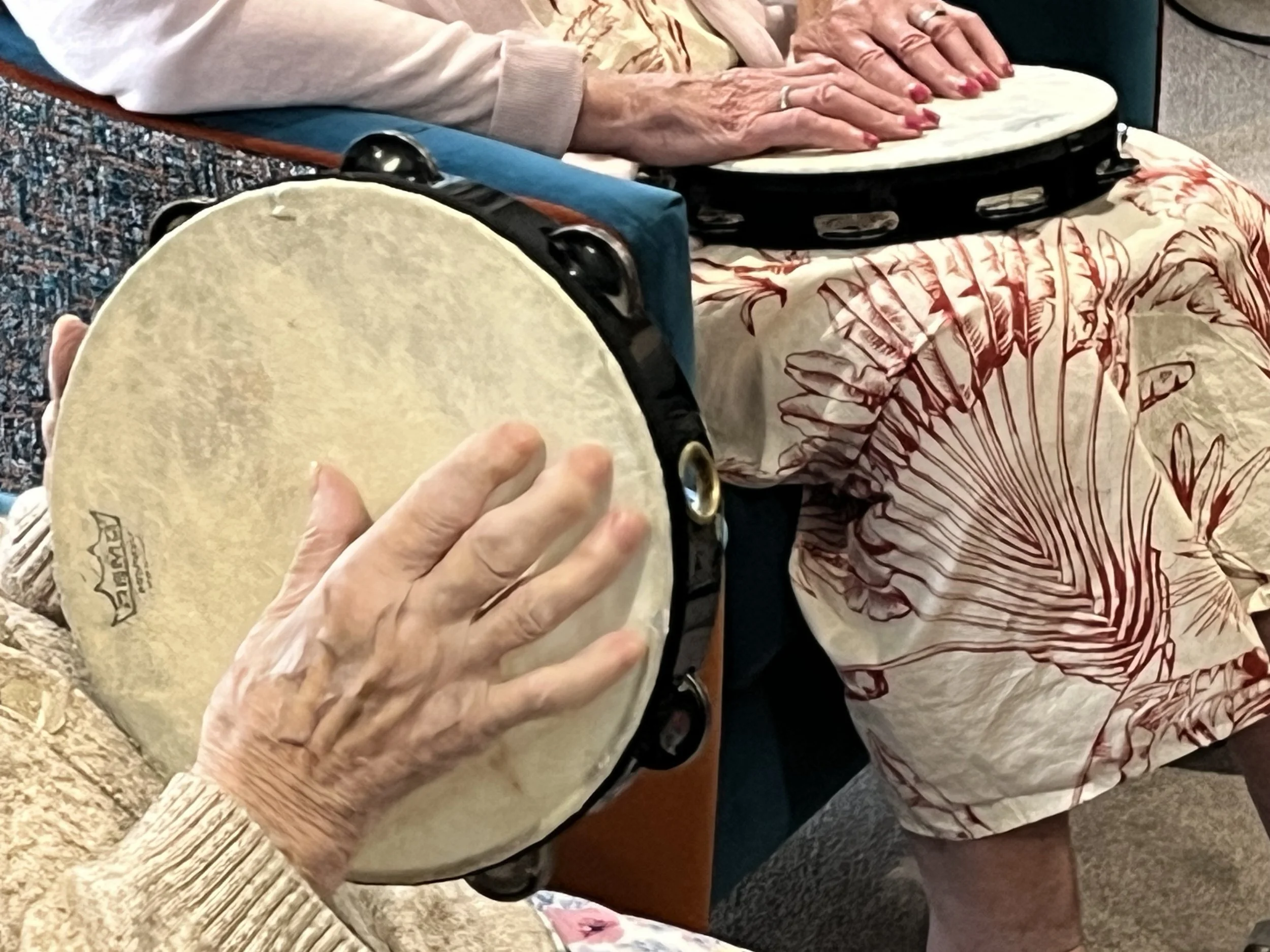
Music and the brain
Music activates widespread networks across the brain, including those involved in movement, communication, attention, memory and emotion. Because these networks work together, music can provide different ways of accessing and supporting abilities that may have been affected by illness or injury.
Real-life examples
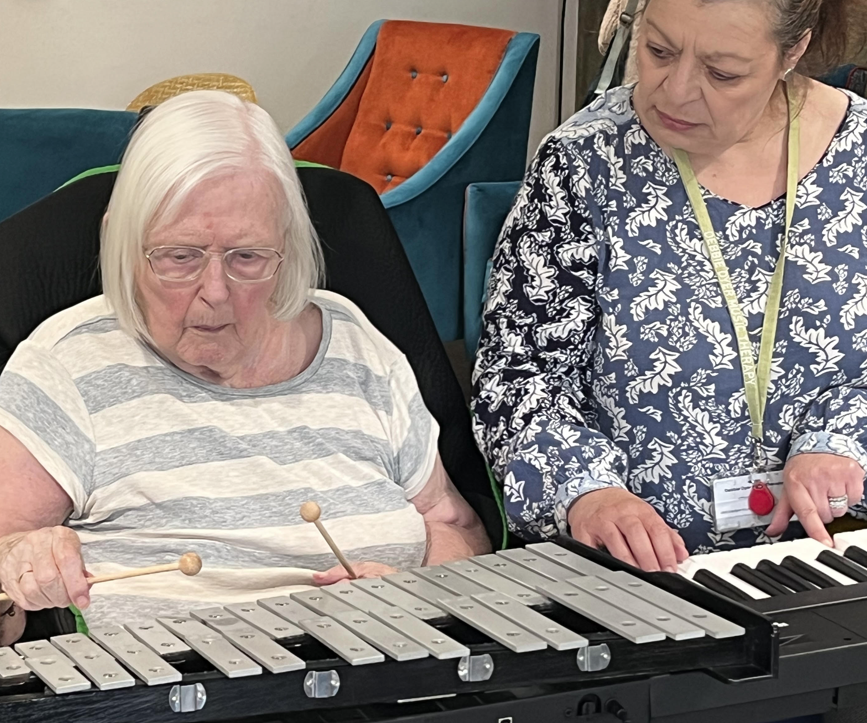
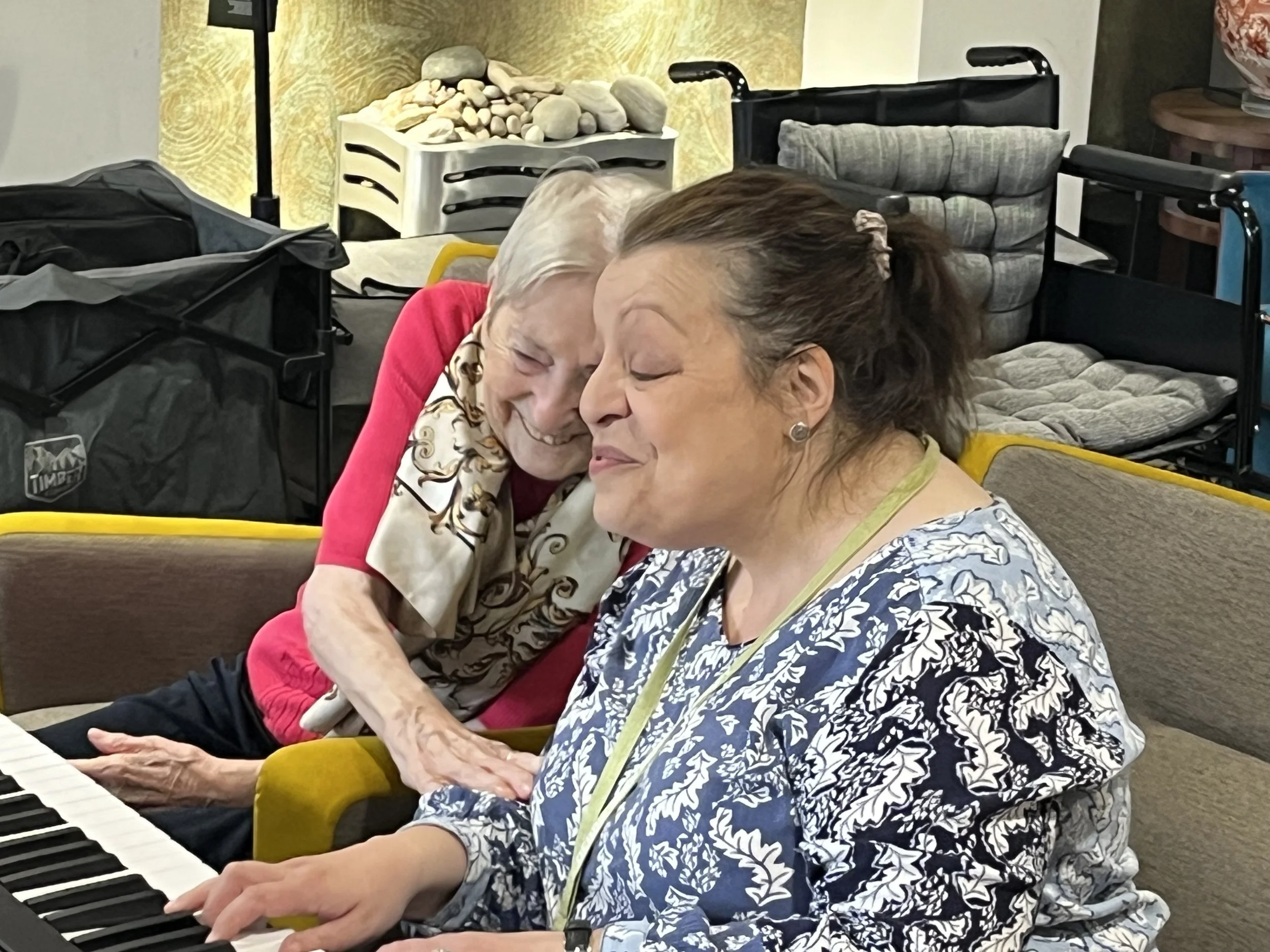
This might mean an older adult living with dementia becoming more engaged through familiar music; someone recovering from a stroke using rhythm to improve their walking; or a child who finds spoken communication difficult connecting through shared music-making. The music and the therapeutic goal will be different for everybody.
Why this matters
Music therapy uses the unique qualities of music to create opportunities for connection, communication, movement, participation and improved wellbeing. What that looks like will be different from one individual to the next, because the possibilities music can create will be different for everybody.